Tips for using turkey calls
We know not everyone is a champion caller so we have included some tips to get you started. While these will help PRACTICE and PATIENTS is the key.

Slate calls
Slate Call Tips for Success
Using a slate call effectively can significantly enhance your game calling strategies. Here are essential tips to maximize your slate call performance:
1. Proper Grip
Hold the slate call with a firm yet relaxed grip. This approach ensures better control and manipulation of the striker. Your fingers should rest comfortably on the base of the call, while your thumb anchors it against your palm.
2. Striker Selection
Choose the right striker for your slate call. Different materials—wood, carbon, or acrylic—produce varying tones. Experiment with various strikers to discover the one that yields your preferred sound.
3. Angle Matters
Adjust the angle of the striker when striking the slate surface. A slight change in angle can significantly alter the pitch and volume. Aim for a consistent angle to maintain a uniform sound throughout your calls.
4. Pressure Control
Vary the pressure applied to the striker. Light pressure yields softer, more subtle tones, while firmer pressure produces louder, sharper sounds. Use this technique to mimic the natural calls of the species you're hunting.
5. Sound Variation
Practice different calls: yelps, clucks, purrs, and cuts. To create realistic sounds, vary your rhythm and speed. Combining various calls can lead to a more authentic replication of turkey communication.
6. Call Maintenance
Keep your slate call in good condition by regularly cleaning the surface. Use a soft cloth to remove dirt and debris. If the surface becomes scratched, lightly sand it with fine-grit sandpaper to restore its smoothness.
7. Quiet Handling
In the field, handle your slate call carefully to avoid generating unwanted noise. Be cautious when moving it in and out of your gear, and always ensure the striker is securely attached to prevent accidents.
8. Practice Regularly
Consistent practice is the key to mastering the slate call. Dedicate time in a quiet area to refine your skills and develop a diverse range of realistic sounds. Listening to recorded natural calls can provide valuable insight and inspiration for improvement.
9. Field Strategies
Use your slate call strategically during hunts. Employ soft calls to initiate responses without overwhelming game. Adapt your approach based on the specific conditions and behaviors of the animals you're targeting.
By following these tips, you can enhance your calling techniques and increase your chances of success in the field. Happy hunting!

Box call
Box Call Tips
Choose the Right Wood: The type of wood used in your box call significantly impacts its sound. Cedar, pine, and mahogany are popular choices, each producing distinct tones. Experiment with different woods to find your preferred sound.
Understand the Anatomy: Familiarize yourself with the parts of the box call: the body, lid, and internal soundboard. The combination of these elements is vital for achieving the desired pitch and volume.
Lid Position: The angle at which you hold the lid affects the sound's quality. For higher pitches, raise the lid slightly. For deeper tones, lower the lid for a fuller sound.
Vary Your Pressure: Applying different amounts of pressure on the lid while striking can create a variety of calls. Practice soft taps for subtle clucks and more forceful strokes for loud yelps.
Practice Rhythm and Cadence: Realistic turkey sounds mimic the natural rhythm of a hen's call. Focus on smooth transitions and vary your speed to engage curious birds effectively.
Maintenance: Keep your box call in top shape by regularly checking the soundboard and tuning any uneven areas. A small amount of chalk can help reduce friction and improve sound quality.
Use the Right Striker: The material and shape of the striker can alter the sound. Experiment with wooden, plastic, or composite strikers to find what works best for you.
Field Testing: Before your hunting trip, practice in the environment you will be in. This helps you understand how sound carries and allows you to adjust your technique accordingly.
Stay Consistent: Consistency in your calling will build the confidence of the turkey. Practice often and replicate those calls until they feel second nature.
Stay Patient: Sometimes, turkeys may be hesitant to respond. Maintain patience and give your call time to work. A silent response doesn’t mean it won't be effective eventually.
By mastering these tips, you can enhance your box call skills and increase your chances of success in the field.
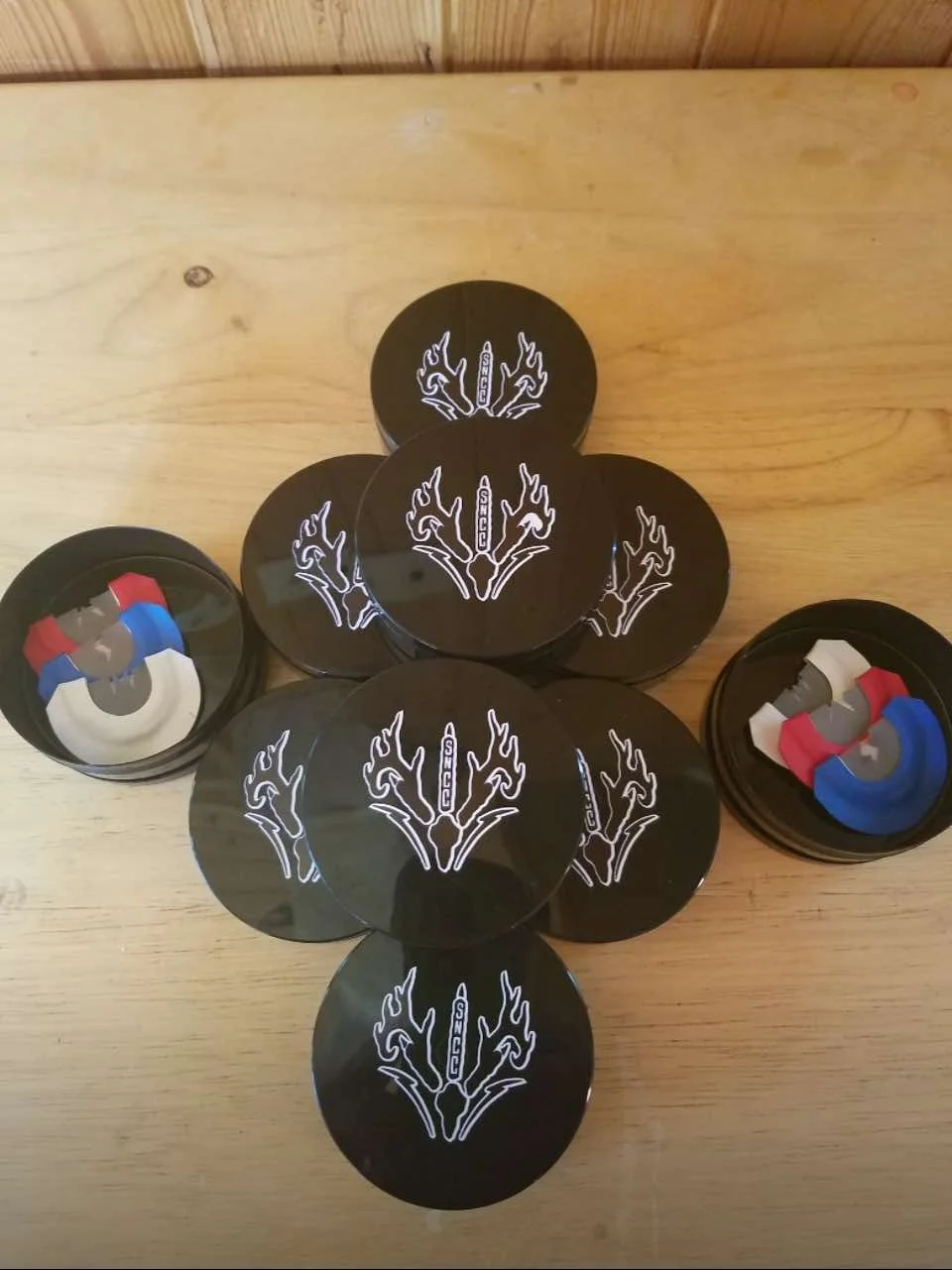
mouth call tips
Turkey Mouth Call Tips
Choose the Right Call: Select a mouth call that suits your comfort level and the type of calling you intend to do. There are various shapes and sizes; finding the right fit can enhance your control and tone.
Proper Placement: Position the call with the frame resting against your upper lip and the reed resting against your tongue. Adjust the call until it feels comfortable and natural in your mouth.
Control Your Airflow: Utilize a steady and controlled airflow to produce consistent sounds. Avoid blowing too hard, as this can pitch the sound unnaturally and fatigue your mouth quickly.
Experiment with Tongue Techniques: Use your tongue to manipulate the sound. By altering its position, you can create varying tones and pitches. Practice different movements to find what works best for you.
Practice Different Calls: Familiarize yourself with common turkey calls such as clucks, purrs, and yelps. Each call requires a different technique; practice them separately to master their unique sounds.
Vary Your Rhythm and Tone: Just like a real turkey, vary the cadence and volume of your calls. This can make your calling more realistic and enticing to approaching turkeys.
Listen and Imitate: Spend time listening to high-quality recordings of turkey calls. Try to replicate these sounds to develop your ear and improve your calling skills.
Use a Mirror: Practicing in front of a mirror can help you see the correct mouth position and make adjustments as needed. It’s also a good way to monitor your facial expressions, which can affect your airflow.
Stay Relaxed: Tension can hinder your ability to control the call effectively. Keep your jaw and throat relaxed to enhance your sound quality.
Field Practice: Once comfortable, practice in the field. Real scenarios will help refine your skills and build confidence, so make sure to use your calls while on location to see their effectiveness.
By incorporating these tips, you can enhance your skills with turkey mouth calls, providing you with a competitive edge in the field.